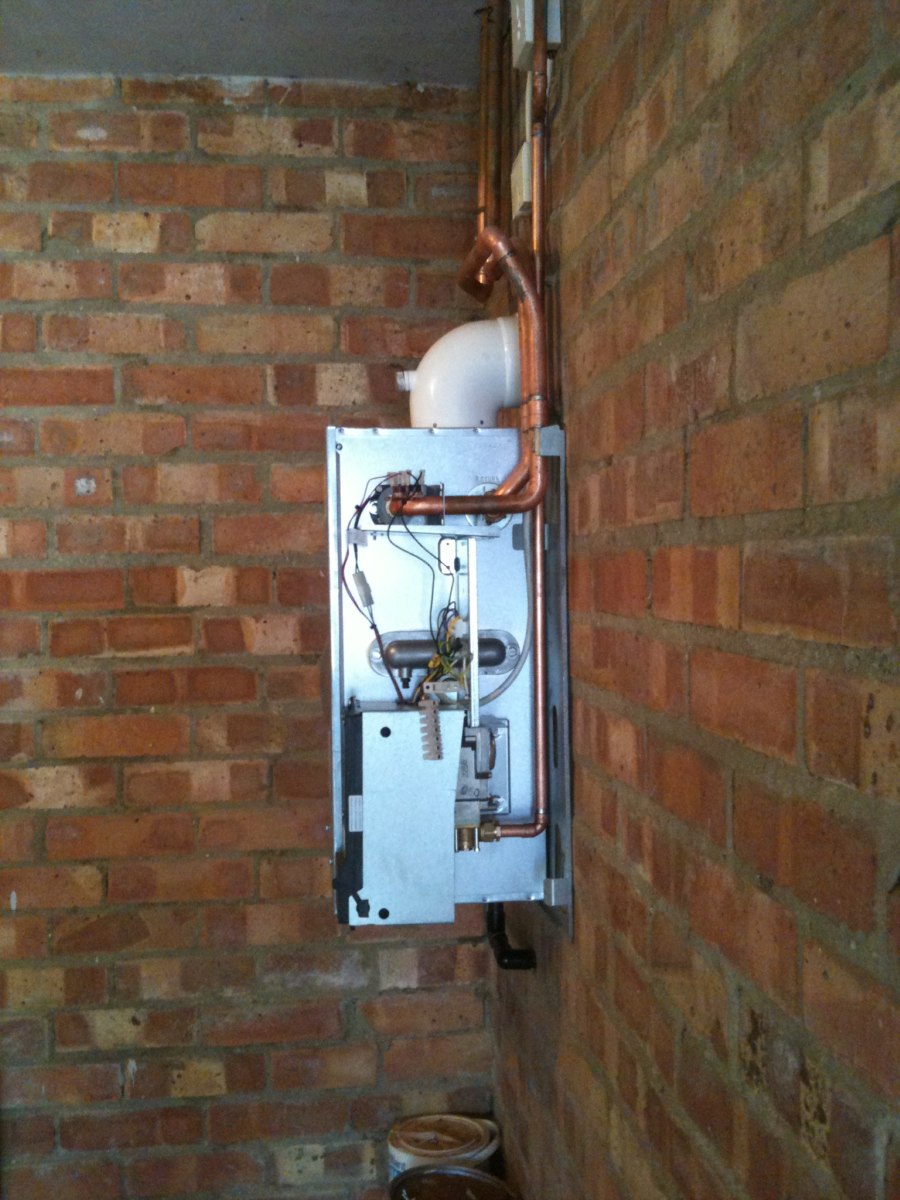
Gas appliances provide heating, hot water and cooking facilities in homes throughout Chelmsford. When they are installed and maintained correctly, they should operate safely and reliably. Problems involving combustion, ventilation, gas supplies and appliance components must always be treated seriously.
Some issues require a routine appointment with a Gas Safe registered engineer. Others, including a suspected gas escape or carbon monoxide emergency, require immediate action before an engineer carries out further work.
Chelmsford Boilers provides support from an experienced gas engineer in Chelmsford for boiler faults, heating systems, servicing and gas safety work. The following signs should never be ignored.
Natural gas has a distinctive odour added to help people recognise a possible escape. If you smell gas inside or around the property, do not try to locate or repair the leak yourself.
Open doors and windows, avoid naked flames and do not operate electrical switches. Shut off the gas supply at the meter only when you know how to do so safely.
Call the National Gas Emergency Service immediately on 0800 111 999. HSE guidance explains that suspected gas leaks should be reported to this emergency number, with the property ventilated and the supply turned off where possible. A Gas Safe registered engineer may then be required to inspect and repair the appliance or installation once the immediate escape has been dealt with.
Carbon monoxide is particularly dangerous because it cannot be seen, tasted or smelled. A correctly positioned and functioning alarm can provide an early warning that carbon monoxide may be present.
Leave the property, move into fresh air and seek urgent professional guidance. Do not reset the alarm and continue using the appliance without finding out why it activated.
Possible symptoms of carbon monoxide exposure include headaches, dizziness, nausea, weakness, confusion, chest pain and shortness of breath. The NHS carbon monoxide guidance explains when emergency medical attention may be necessary.
Gas appliances should remain switched off until they have been inspected and confirmed safe by a qualified engineer.
Gas appliance flames are normally crisp and blue. A floppy yellow or orange flame can indicate incomplete combustion, although some decorative appliances are designed to display different flame patterns.
Do not attempt to adjust burners or internal appliance components yourself. Turn off the appliance and arrange for a Gas Safe registered engineer to inspect it.
The Gas Safe Register identifies unusual flames as one of the warning signs that a gas appliance may not be working correctly. The engineer can assess the burner, combustion readings, ventilation and flue arrangement.
Black, brown or sooty marks around a boiler, fire, cooker or flue should be investigated. They can indicate that combustion gases are not being carried away correctly or that the appliance is burning fuel improperly.
Do not clean the marks and continue using the appliance without arranging an assessment. Removing the visible staining does not correct the underlying problem.
Switch off the appliance when it is safe to do so and contact a qualified gas engineer. The surrounding ventilation and flue may also need to be checked.
Many modern boilers use electronic ignition, but older boilers, fires and water heaters may have a visible pilot light. A pilot that repeatedly goes out may indicate a faulty thermocouple, gas supply issue, draught problem or appliance fault.
Relighting the pilot repeatedly without identifying the cause is not a long-term solution. Follow the manufacturer’s instructions once, but stop using the appliance if the problem returns.
An engineer can test the relevant safety devices and confirm whether the appliance is receiving the correct gas pressure. Persistent pilot light problems are also recognised by Gas Safe Register as a potential warning sign of an unsafe appliance.
Boilers are designed to shut down when their controls detect certain faults. A lockout may be triggered by low pressure, ignition failure, overheating, blocked condensate pipework, circulation problems or a defective component.
Resetting the boiler may temporarily restore operation, but frequent lockouts mean the underlying fault remains. Repeated resets can also make it harder to understand the pattern of the problem.
Make a note of any displayed fault code and arrange professional boiler repairs. Do not remove the casing or attempt to access internal gas components.
Boilers and other gas appliances make normal operational sounds, but new banging, booming, whistling, grinding or vibrating noises should be investigated.
Noises may be related to water circulation, pumps, fans, ignition, deposits or loose components. A delayed or unusually forceful ignition sound is particularly important and the appliance should be switched off until it has been checked.
Describe when the sound happens and how long it lasts when booking the appointment. This information may help the engineer narrow down the potential cause before testing the appliance.
A gas appliance that takes longer to heat the property, produces unreliable hot water or operates continuously may have developed a fault. The issue could involve controls, sensors, valves, circulation or combustion performance.
Poor heating does not always mean that gas is escaping. Nevertheless, an appliance that is not operating as designed should be assessed before the problem causes a complete breakdown.
A professional engineer can examine both the boiler and the wider heating system. Depending on the findings, the solution may involve replacing a component, adjusting the controls, cleaning the system or recommending a new boiler.
Condensation on windows can be caused by everyday activities such as cooking, bathing and drying clothes indoors. A noticeable increase in condensation near a gas appliance may also indicate that combustion products are not being removed effectively.
Look for other signs such as staining, unusual flames, headaches or an appliance that keeps switching off. Do not block ventilation grilles or cover flue openings in an attempt to reduce draughts.
Arrange an inspection so the appliance, ventilation and flue can be checked. If anyone feels unwell or a carbon monoxide alarm activates, leave the property and follow emergency advice.
Visible corrosion, water damage, loose panels, damaged flues and deteriorated seals should not be ignored. Damage can affect safe operation even when the appliance continues to provide heating or hot water.
Gas appliances should also be maintained in accordance with the manufacturer’s recommendations. A regular boiler service provides an opportunity to inspect the appliance, test its operation and identify developing problems.
Landlords have specific responsibilities for gas safety checks and records in rented properties. Chelmsford Boilers also provides landlord safety certificates for qualifying rental accommodation.
Gas work requires specialist knowledge, testing equipment and appropriate qualifications. Incorrect installation or repair can create gas escapes, carbon monoxide risks, fires and appliance damage.
Gas Safe registered engineers carry an identification card showing the work they are qualified to undertake. You can ask to see the card before work begins and check that the appliance category appears on the reverse.
Never remove the boiler casing, modify gas pipework or attempt to repair a gas valve yourself. Homeowners can operate normal user controls and follow manufacturer instructions, but work affecting the gas installation must be completed by a suitably registered professional.
Warning signs involving gas appliances should be investigated promptly. Small performance changes may reveal a developing component fault, while smells, carbon monoxide alarms and combustion problems require immediate safety action.
Chelmsford Boilers supports customers across Chelmsford and nearby communities including Springfield, Great Baddow, Broomfield, Galleywood, Writtle, Boreham and Chelmer Village. The team provides boiler servicing, repairs, heating work and gas safety assistance.
For routine faults, contact Chelmsford Boilers to arrange an inspection. If you smell gas or suspect an active gas escape, call the National Gas Emergency Service first on 0800 111 999.


