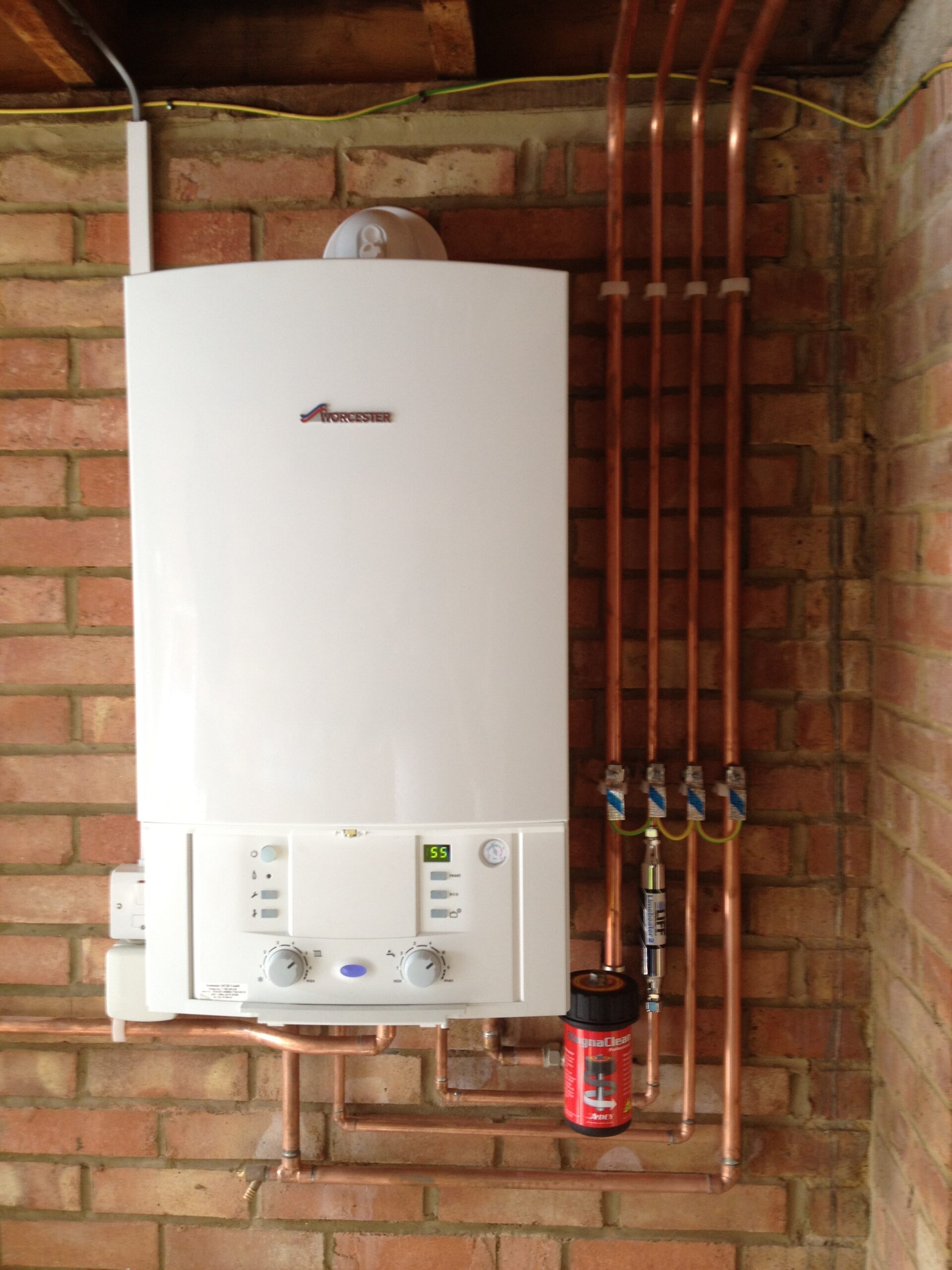
A reliable boiler should provide consistent heating and hot water without demanding constant attention. However, boilers do not last forever, and there eventually comes a point when repairing an ageing system is no longer the most sensible or cost-effective option.
Some boiler problems can be resolved with a straightforward repair, replacement component or professional service. Other warning signs suggest that the system is becoming unreliable, inefficient or unsuitable for the needs of the property. Recognising those signs early gives you time to compare your options instead of having to arrange a rushed replacement after a complete breakdown.
Chelmsford Boilers provides professional advice from an experienced heating engineer in Chelmsford. An engineer can inspect the boiler, assess its condition and explain whether repair or replacement is likely to provide better long-term value.
The decision to repair or replace a boiler depends on several factors, including its age, condition, efficiency and repair history. A relatively modern boiler with one replaceable faulty component may still have many useful years ahead of it. An older boiler that regularly loses pressure, breaks down or requires expensive parts may be less economical to retain.
It is also important to consider how well the boiler meets the current needs of your household. Extensions, additional bathrooms and changes in occupancy can all place greater demand on a heating and hot water system. Even when an older boiler still operates, it may no longer provide the level of performance your home requires.
A professional assessment can help you make an informed decision without assuming that every fault means the boiler needs replacing.
Age alone does not automatically mean that a boiler must be replaced. A well-maintained appliance may continue working reliably beyond the age expected by the manufacturer. However, boilers generally become more vulnerable to faults, corrosion and component failure as they get older.
Replacement parts may also become more difficult or expensive to obtain for discontinued models. This can make even relatively simple repairs less economical, particularly when several components begin failing within a short period.
If your boiler is approaching or has passed 15 years of service, arranging a professional assessment can help you understand its remaining condition. You can then plan for replacement before the system fails during colder weather.
One repair does not necessarily mean that your boiler is reaching the end of its life. However, repeated breakdowns are a strong indication that several parts of the system may be deteriorating.
You might initially replace a pump, valve or sensor, only for another component to fail several months later. Paying for multiple callouts and replacement parts can eventually cost a considerable amount without providing the reliability of a new system.
Professional boiler repairs can resolve many common faults. The engineer should also be able to tell you whether the repair is likely to provide a lasting solution or whether further problems should be expected.
Rising heating bills can have several causes, including changes in energy prices, colder weather and increased household usage. However, an ageing or poorly performing boiler may also use more fuel than necessary to produce the required amount of heat.
Older systems can lose efficiency because of worn components, incorrect controls, internal deposits or poor combustion. The boiler may need to run for longer to bring the property up to temperature, increasing energy consumption.
The Energy Saving Trust explains that heating and hot water represent a significant proportion of household energy use. Improving the efficiency of the heating system can therefore make a noticeable difference to how energy is used throughout the property.
A properly functioning heating system should distribute heat around the property within a reasonable time. If the boiler runs continuously but rooms remain cold, the appliance may be struggling to meet demand.
Slow heating can also be caused by trapped air, faulty radiator valves, poor circulation or sludge within the system. These issues should be investigated before assuming the boiler itself needs replacing.
Where the boiler is undersized, inefficient or unable to maintain an adequate flow temperature, replacement may provide more dependable performance. An engineer can assess the boiler alongside the radiators, pipework and controls to identify the real cause.
Hot water that suddenly turns cold, takes a long time to arrive or changes temperature while being used may indicate a boiler or system fault. Combi boilers can experience these problems when internal components such as diverter valves, sensors or heat exchangers begin to deteriorate.
Properties with conventional or system boilers may instead have an issue involving the cylinder, thermostat or motorised valves. The whole system should be checked so that the correct component is repaired or replaced.
If unreliable hot water is combined with recurring boiler faults and poor heating performance, replacing the boiler may be more sensible than continuing to repair individual components.
Boilers naturally make some noise when starting, circulating water and heating the property. Loud banging, whistling, vibrating, gurgling or grinding noises should not be ignored.
These sounds can be associated with restricted water flow, worn pumps, trapped air, internal deposits or components that are beginning to fail. The precise cause cannot be identified from the sound alone, so the boiler should be examined by a qualified engineer.
Some noisy boiler problems can be repaired or improved through system cleaning. Persistent noises from an older appliance may indicate wider deterioration that makes replacement worth considering.
Occasional pressure changes can happen after radiators have been bled or work has been completed on the heating system. Regularly needing to repressurise the boiler, however, suggests that water may be escaping or a component is not operating correctly.
Possible causes include leaking radiators, damaged pipework, a faulty pressure relief valve or an expansion vessel problem. Hidden water loss can also cause damage to floors, ceilings and surrounding finishes if it is not investigated.
Chelmsford Boilers provides professional water leak detection using methods that can help locate concealed plumbing and heating leaks. Once the cause is known, an engineer can advise whether a repair is appropriate or whether the boiler’s condition justifies replacement.
Boiler manufacturers eventually stop producing certain models and components. Although independent and refurbished parts may sometimes remain available, sourcing the correct component can become increasingly difficult as the boiler ages.
Limited availability can lead to longer delays and higher repair costs. There is also no guarantee that another discontinued component will not fail soon afterwards.
Before approving an expensive repair, ask whether parts are still widely available and whether the work is likely to extend the boiler’s useful life. If the appliance is obsolete, investing that money towards a new boiler may provide better value.
A boiler that was suitable when originally installed may not be adequate after changes to the property. A new bathroom, loft conversion, extension or larger household can increase heating and hot water demand.
Common signs of an undersized or unsuitable system include weak hot water flow, radiators taking too long to heat and difficulty using multiple outlets at the same time. Altering individual components may not resolve the underlying capacity problem.
A heating engineer can calculate the property’s requirements and recommend an appropriate boiler type and output. This may involve a combi boiler, system boiler or conventional arrangement depending on the available space, water pressure and expected demand.
The cost of one repair should be considered alongside the boiler’s age, efficiency and general condition. Paying for a major component on a relatively young boiler may be reasonable. Spending a similar amount on an old system with a history of faults may be harder to justify.
Ask the engineer for a clear explanation of the fault, the likely repair cost and whether other components show signs of deterioration. Comparing this information with the cost and benefits of replacement can help you make a balanced decision.
Chelmsford Boilers carries out professional boiler installations following an assessment of the property and existing system. Choosing the correct boiler is more important than simply replacing the old appliance with the nearest equivalent.
Routine maintenance can help identify developing faults before they become more serious. During a professional boiler service, the engineer can check the condition and operation of important components, look for leaks or corrosion and confirm that the appliance is operating safely.
Servicing cannot prevent every breakdown or reverse normal wear. However, it can provide a clearer picture of the boiler’s condition and help homeowners plan ahead.
The Gas Safe Register also recommends paying attention to warning signs such as poor appliance performance, staining, repeated pilot light problems and unusual flames. Gas appliances should only be inspected, repaired or replaced by an appropriately qualified Gas Safe registered engineer.
Not every noisy, inefficient or unreliable boiler needs to be replaced immediately. Many faults can still be repaired, particularly when the appliance has been maintained and replacement parts remain available. The important step is to obtain an accurate diagnosis before spending money on repeated work.
Chelmsford Boilers supports homeowners across Chelmsford, including Springfield, Great Baddow, Broomfield, Chelmer Village, Galleywood, Writtle and nearby parts of Essex. The team can assess your existing boiler, explain the available options and help you decide whether repair or replacement offers the best long-term solution.
Contact Chelmsford Boilers to arrange an assessment if your heating system is becoming unreliable, expensive to operate or difficult to maintain.


